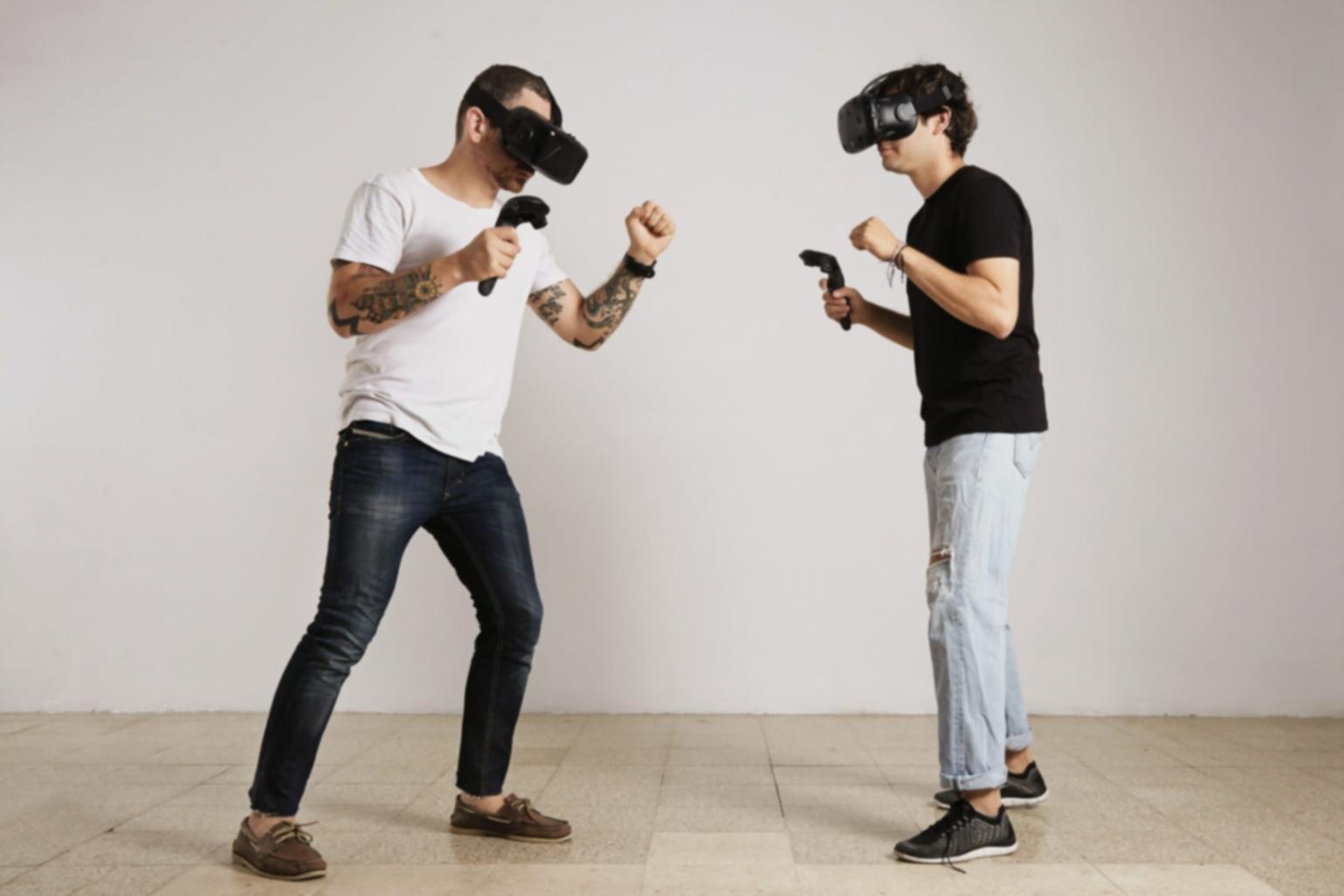
Where virtual
worlds get built
Moltravid trains developers to work where AR, VR, and game engines meet — through sessions that adapt to your pace, whether that's alongside a group or one instructor at a time.

trained
Not every learner fits the same format
Moltravid works best for people who already have a baseline in programming or 3D tools and want to go deeper into spatial computing — on a schedule that actually fits around their work.

You've written code before
Moltravid sessions assume you can read a script and debug basic logic. Absolute beginners will find the pace uncomfortable in the first 2 weeks.
You have 8–12 hours per week
Group sessions run 3 times weekly with async review tasks. Private tracks compress or expand based on your actual availability — not an assumed one.
AR/VR is your specific target
The platform covers Unity, Unreal, WebXR, and device SDKs — not generic game dev. If you want to build spatial apps, this fits. If you want 2D mobile games, it does not.
You want instructor access, not just video
Every path — group or private — includes live sessions with instructors who build for AR/VR professionally. You can ask specific questions about your own project code.
Structure that earns its place
Every part of the Moltravid curriculum was tested against what people actually struggle with — not what sounds good in a course outline.
Adaptive learning paths built around your gap
Before your first session, a 20-minute diagnostic identifies exactly where to start — shader logic, spatial anchors, physics simulation, or SDK integration. You skip what you already know.
Group & private in one ecosystem
Switch between formats mid-program. Group cohorts cap at 9 people; private tracks move 40% faster on average.
Engine-specific practice, not theory
Exercises run directly in Unity or Unreal with instructor review of your actual project files — not sandbox demos.
Progress measured by what you ship, not hours logged
Milestone reviews happen every 3 sessions. If a concept hasn't landed, the next session revisits it from a different angle before moving on. Instructors track 7 skill dimensions per learner, not a single progress bar.
Specific people, specific shifts
Each person below came in with a different background and a different gap. What they share is that the work happened in live sessions — not through rewatching recordings.
Daryna Fedorchuk
3D artist, freelance
"I'd been modelling in Blender for 4 years but had no idea how to get assets into a real-time AR scene. After 8 weeks on the group track, I shipped my first ARKit app."
Ostap Lytvyn
Unity junior developer
"I had Unity basics but VR interaction felt like a completely separate skill. The private track let me skip the beginner Unity content and go straight into XR Interaction Toolkit from day 1."
Roksolana Boyko
UX designer, agency
"I needed to prototype spatial interfaces without depending on a dev. After the program I could build testable VR wireframes in Unreal — not perfect code, but enough to validate design decisions."